



Nylon back to back hook and loop, also known as nylon double-sided hook and loop fasteners, are widely used in various industries due to their convenience and reusability. As a supplier of nylon back to back hook and loop, one question that frequently arises from our customers is whether these fasteners leave residue when removed. In this blog post, we will explore this topic in depth, considering the factors that can influence residue formation and providing insights based on scientific understanding and practical experience.
Understanding Nylon Back to Back Hook and Loop
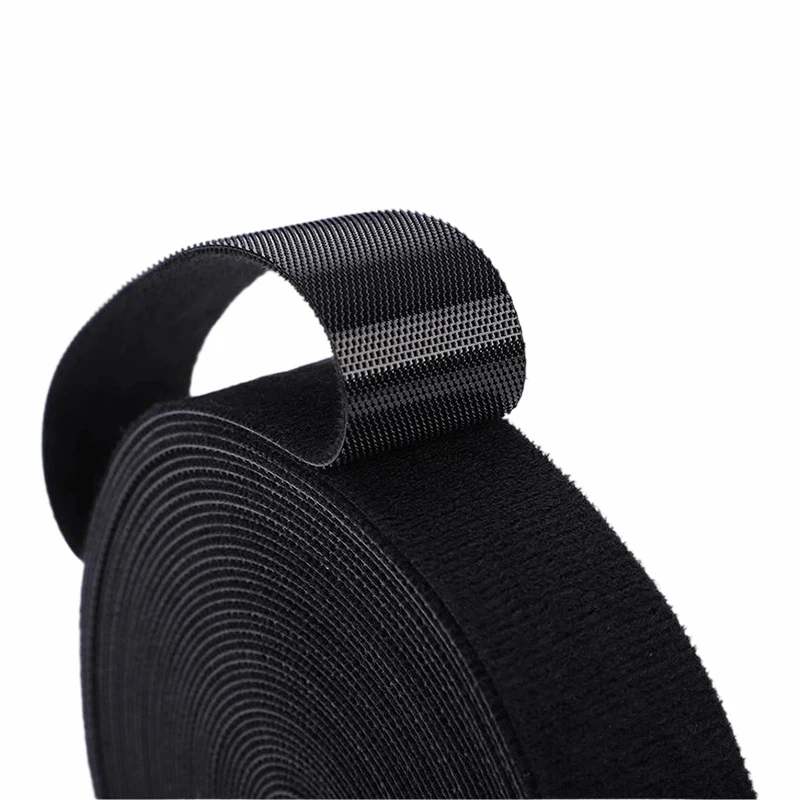
Nylon back to back hook and loop consists of two strips of nylon material with tiny hooks on one side and loops on the other. When the two sides are pressed together, the hooks engage with the loops, creating a strong bond. This type of fastener is popular because it can be easily opened and closed multiple times, making it ideal for applications where frequent adjustment or removal is required.
Factors Affecting Residue Formation
1. Adhesive Quality
Some nylon back to back hook and loop products are attached to surfaces using adhesives. The quality of the adhesive plays a crucial role in determining whether residue will be left behind. High - quality adhesives are designed to provide a strong bond while still being removable without leaving significant residue. On the other hand, low - quality adhesives may break down over time or not release cleanly, resulting in sticky residue on the surface.
2. Surface Material
The type of surface to which the hook and loop is attached also matters. Porous surfaces, such as wood or fabric, may absorb some of the adhesive, making it more difficult to remove the fastener without leaving residue. Non - porous surfaces like glass or metal are generally easier to clean, but the adhesive may still leave a mark if it has been on the surface for a long time or if the adhesive is of poor quality.
3. Environmental Conditions
Environmental factors such as temperature, humidity, and exposure to chemicals can affect the performance of the adhesive. High temperatures can cause the adhesive to soften and become more likely to leave residue, while low temperatures may make the adhesive brittle and more difficult to remove cleanly. Humidity can also impact the adhesive's ability to bond properly and may contribute to residue formation.
4. Duration of Attachment
The longer the nylon back to back hook and loop is attached to a surface, the more likely it is to leave residue. Over time, the adhesive may gradually seep into the surface or break down, making it harder to remove without leaving a trace.
Our Experience as a Supplier
As a supplier of nylon back to back hook and loop, we have conducted numerous tests to evaluate the residue - leaving characteristics of our products. We source high - quality adhesives and materials to ensure that our fasteners perform well under various conditions. In most cases, when our products are used on clean, non - porous surfaces and removed within a reasonable time frame, the amount of residue left behind is minimal.
However, we also understand that every application is unique, and there may be situations where residue can be a concern. That's why we offer a range of products with different adhesive strengths and types to meet the specific needs of our customers. For example, if you are looking for a hook and loop fastener for a high - temperature environment, you may consider our Fireproof Back To Back Hook and Loop. This product is designed to withstand high temperatures and is less likely to leave residue due to its specialized adhesive formulation.
If you are working in an environment where electrostatic discharge (ESD) is a concern, our ESD Safe Back To Back Hook and Loop is a great option. It not only provides ESD protection but also has an adhesive that is formulated to release cleanly without leaving significant residue.
We also offer Polyester Back To Back Hook and Loop, which may have different residue - leaving characteristics compared to nylon. Polyester materials can sometimes be more resistant to environmental factors, which can reduce the likelihood of residue formation.

Tips to Minimize Residue
1. Surface Preparation
Before attaching the nylon back to back hook and loop, make sure the surface is clean and dry. Remove any dirt, dust, or grease, as these can interfere with the adhesive's performance and increase the likelihood of residue formation.
2. Follow Installation Instructions
Adhere to the installation instructions provided with the product. This includes applying the right amount of pressure during attachment and allowing the adhesive to set for the recommended time.
3. Remove the Fastener Properly
When it's time to remove the hook and loop, do it slowly and at a low angle. Pulling it off too quickly or at a sharp angle can cause the adhesive to break apart and leave more residue.
Conclusion
In conclusion, whether nylon back to back hook and loop leaves residue when removed depends on several factors, including adhesive quality, surface material, environmental conditions, and duration of attachment. As a supplier, we are committed to providing high - quality products that minimize the risk of residue formation. However, it's important for customers to take proper precautions during installation and removal to ensure the best results.
If you are interested in our nylon back to back hook and loop products or have any questions about residue - free performance, we encourage you to contact us for more information. We can help you select the right product for your specific application and provide guidance on installation and removal to ensure a clean and residue - free experience.
References
- "Adhesive Technology Handbook" by John A. Dorsey
- "Materials Science for Engineers" by Donald Askeland


