


As a supplier of adhesive hook and loop by glue, I often receive inquiries about the waterproof properties of our products. This is a crucial question, especially for applications in environments where exposure to water is a common occurrence. In this blog, I will delve into the science behind the waterproofness of adhesive hook and loop by glue, exploring different types of adhesives and their performance in wet conditions.
Understanding Adhesive Hook and Loop by Glue
Adhesive hook and loop by glue is a versatile fastening solution that consists of two components: the hook side and the loop side. The hooks and loops interlock when pressed together, creating a strong and reliable bond. The adhesive backing on these products allows them to be easily attached to various surfaces, such as fabrics, plastics, and metals.
There are several types of adhesives used in hook and loop products, each with its own unique properties and performance characteristics. Some of the most common types include silicone adhesive, hot melt adhesive, and conductive glue.
- Silicone Adhesive Hook and Loop: Silicone adhesive is known for its excellent flexibility, high temperature resistance, and chemical resistance. Silicone Adhesive Hook and Loop is often used in applications where the hook and loop needs to withstand extreme conditions, such as high temperatures or exposure to chemicals.
- Hot Melt Adhesive Hook and Loop: Hot melt adhesive is a thermoplastic adhesive that is applied in a molten state and solidifies upon cooling. Hot Melt Adhesive Hook and Loop offers a strong bond and is commonly used in applications where a quick and easy installation is required.
- Conductive Glue Hook and Loop: Conductive glue is a specialized adhesive that contains conductive particles, allowing it to conduct electricity. Conductive Glue Hook and Loop is used in electronic applications where electrical conductivity is necessary.
Factors Affecting Waterproofness
The waterproofness of adhesive hook and loop by glue depends on several factors, including the type of adhesive, the surface it is applied to, and the duration and intensity of water exposure.
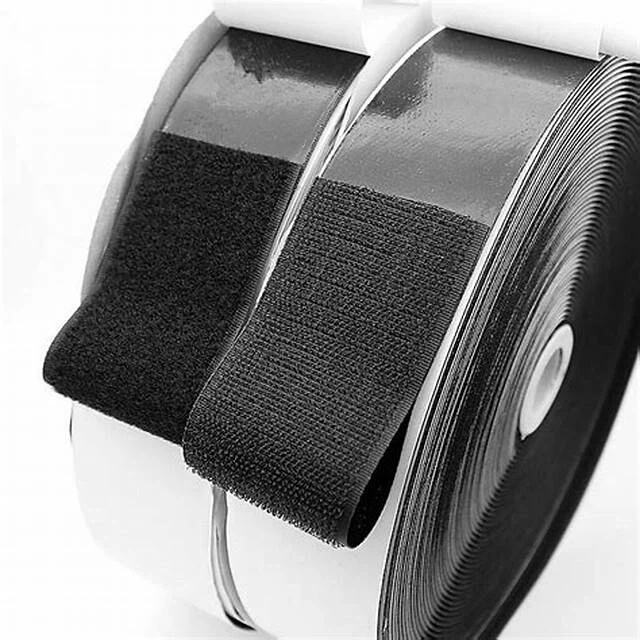

- Type of Adhesive: Different adhesives have different levels of water resistance. Silicone adhesive, for example, is generally more water-resistant than hot melt adhesive. This is because silicone has a low surface energy, which makes it difficult for water to penetrate the adhesive layer.
- Surface Preparation: Proper surface preparation is essential for ensuring a strong and waterproof bond. The surface should be clean, dry, and free of any contaminants, such as oil, grease, or dust. If the surface is not properly prepared, the adhesive may not adhere properly, which can lead to water penetration and a weakened bond.
- Water Exposure: The duration and intensity of water exposure also play a role in the waterproofness of adhesive hook and loop. Short-term exposure to water, such as a brief splash or immersion, may not have a significant impact on the performance of the hook and loop. However, prolonged exposure to water, especially in harsh conditions, can cause the adhesive to degrade and lose its bond strength.
Testing the Waterproofness of Adhesive Hook and Loop
To determine the waterproofness of adhesive hook and loop by glue, several tests can be conducted. These tests simulate real-world conditions and provide valuable information about the performance of the hook and loop in wet environments.
- Immersion Test: In an immersion test, the hook and loop sample is completely submerged in water for a specified period of time. After the immersion period, the sample is removed from the water and dried. The bond strength of the hook and loop is then tested to determine if it has been affected by the water exposure.
- Spray Test: A spray test involves spraying water onto the hook and loop sample at a specified pressure and duration. This test simulates the effect of rain or splashing water on the hook and loop. After the spray test, the bond strength of the hook and loop is tested to evaluate its performance.
- Humidity Test: A humidity test exposes the hook and loop sample to a high humidity environment for a specified period of time. This test simulates the effect of high humidity on the hook and loop, which can cause the adhesive to absorb moisture and lose its bond strength. After the humidity test, the bond strength of the hook and loop is tested to determine its resistance to humidity.
Waterproof Applications of Adhesive Hook and Loop
Adhesive hook and loop by glue has a wide range of applications in waterproof environments. Some of the most common applications include:
- Outdoor Gear: Adhesive hook and loop is commonly used in outdoor gear, such as backpacks, tents, and raincoats. The waterproof properties of the hook and loop ensure that the gear remains securely fastened even in wet conditions.
- Marine Applications: In the marine industry, adhesive hook and loop is used for a variety of applications, including boat covers, sail repairs, and fishing gear. The waterproof and corrosion-resistant properties of the hook and loop make it an ideal choice for these applications.
- Electronics: Adhesive hook and loop is also used in electronic devices, such as smartphones, tablets, and laptops. The waterproof properties of the hook and loop help to protect the electronic components from water damage.
Conclusion
In conclusion, the waterproofness of adhesive hook and loop by glue depends on several factors, including the type of adhesive, the surface it is applied to, and the duration and intensity of water exposure. While some adhesives, such as silicone adhesive, offer better water resistance than others, proper surface preparation and testing are essential for ensuring a strong and waterproof bond.
If you are looking for a reliable and waterproof adhesive hook and loop solution, I encourage you to explore our range of products, including Silicone Adhesive Hook and Loop, Hot Melt Adhesive Hook and Loop, and Conductive Glue Hook and Loop. Our products are designed to meet the highest standards of quality and performance, and we are committed to providing our customers with the best possible solutions for their needs.
If you have any questions or would like to discuss your specific requirements, please do not hesitate to contact us. We look forward to working with you and helping you find the perfect adhesive hook and loop solution for your application.
References
- ASTM International. (2023). Standard Test Methods for Evaluating the Adhesive Bond Strength of Hook and Loop Fasteners. ASTM D5170.
- ISO. (2023). Adhesives - Determination of Tensile Lap-Shear Strength of Rigid-to-Rigid Adhesive Bonds. ISO 4587.


